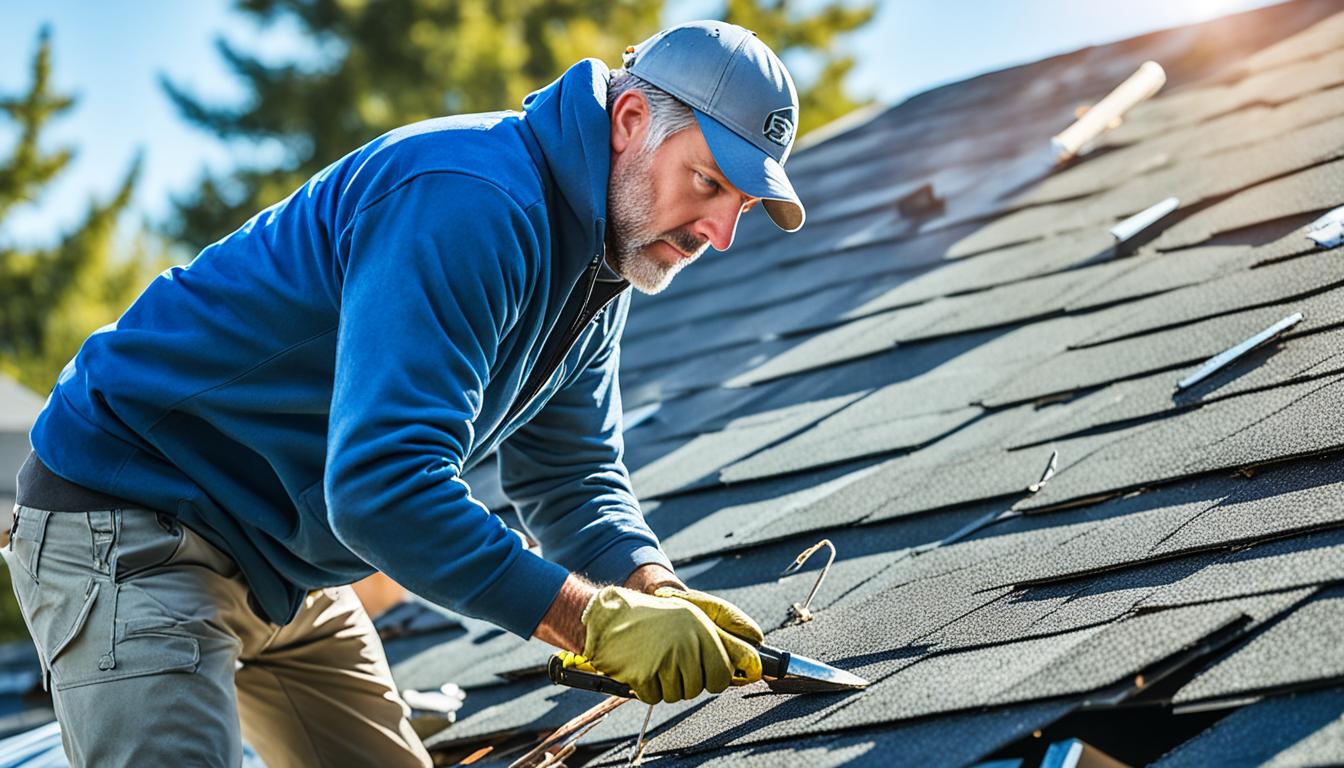
Leaking Roof Repair: Quick Fixes for Homeowners
Every year, water damage from roof leaks causes lots of insurance claims in the USA. This isn't a small issue; a broken roof can let gallons of water into your home. This can be very costly. If your roof is leaking, you need to act fast. Emergency roof leak repair can stop simple fixes from becoming big problems. Luckily, you can find affordable roof leak repair options quickly. These can help keep your home safe from weather damage.
To find the best roof leak repair, you must find where the leak is coming from. You also need to know how much damage there is, and how quickly you need to fix it. Fixing a leak quickly can stop further damage to your inside and structure. Whether you fix it yourself or call a leaky roof repair service, it's important to start right away. Here are tips to help you.
Key Takeaways
- Immediate action can prevent more extensive, pricey damage.
- Identifying the leak source is essential for effective repair.
- There are temporary fixes you can apply before professional help arrives.
- Regular maintenance checks can help you spot and fix potential leaks before they worsen.
- Costs of repairs vary based on the damage extent and repair types required.
- Professional services might be more cost-effective in the long term.
Initial Steps to Take When You Spot a Leak
Finding leaks early helps avoid big damage to your home. Once you see warnings, get professional help quick. Or try to find the leak yourself.
Identifying the Signs of a Leaking Roof
Water stains on the ceiling or walls are a clue. They may be the first sign of a leak. Musty smells in your attic can mean moisture.
Watch for bulging patches on walls. They might show where water has collected.
The Dangers of Ignoring a Roof Leak
If you wait to fix a leak, it could harm your roof more. It might also cause electrical dangers. Or lead to mold that hurts your health. Getting help quickly is key.
Long-Term vs. Short-Term Damage Assessment
Seeing leak signs means you should think about damage ahead. Catching water helps now. But you need an expert to keep your home safe and strong.
| Issue | Short-Term Impact | Long-Term Consequence |
|---|---|---|
| Water Stains | Aesthetic harm to interior surfaces | Potential growth of mold, damage to wall structure |
| Damaged Shingles | Minor leaks | Severe roof damage, internal property damage |
| Bulging Drywall | Holding pockets of water | Risk of ceiling collapse, extensive material compromise |
| Musty Odors | Indication of moisture presence | Serious mold issues, requiring specialized remediation |
Calling a service for leaks is smart. They find leaks and fix them well. Quick help can save you from spending a lot later.
Understanding Roof Leaks and Their Consequences
Roof leaks can cause big problems. Some issues are easy to see, like stains. Yet, some can harm your home's frame. Knowing how to handle roof damage repair is key. This means fixing both obvious and hidden damage from roof leak repair.
Leaks can hide, making them hard to find. They might start from bad flashing or broken shingles. If you don't fix leaks quickly, your home can get damaged. This is why calling a professional roof leak repair service is crucial. They stop the damage from spreading, mainly in sensitive areas like the attic.
Learn the signs of leaks and get residential roof leak repair quickly. This stops small problems from getting worse.
It's important to know how leaks affect your home:
- Leaks grow fast, making walls weak. This can make your home unsafe.
- Leaks also cause mold, which is bad for your health.
- Water trapped in your roof can even rot the structure. This is worse in wooden homes.
- Check your roof often. Even a small leak today can become a big problem tomorrow.
- Fixing leaks quickly helps keep your roof and home safe.
- Hiring an expert means your home gets the best care possible.
| Consequence | Short-Term Impact | Long-Term Impact |
|---|---|---|
| Cosmetic Damage | Stains & damp patches on ceilings/walls | Persistent issues can lead to significant restoration costs |
| Structural Deterioration | Minor leaks causing warping or swelling | Severe compromise of load-bearing elements over time |
| Mould Growth | Mildew smell, small visible patches | Extensive mould requiring professional remediation |
Deal with leaks as soon as you notice them. Acting fast protects your home from more damage. It also keeps your home safe from weather damage. Remember, it's better to fix leaks early to protect what's important to you.
DIY Leaking Roof Repair: Immediate Solutions
A leaking roof is stressful, but a quick fix can help until you get professional help. It's crucial to know when and how to use immediate solutions. These can stop more damage and save money.
Quick Fixes Using Household Items
A sudden leak in your roof can be scary. But, some items at home can help a lot. For example, a strong plastic tarp can stop water from getting in. It protects your home and is a cheap way to fix the leak for now.
Emergency Materials for Temporary Leak Stopping
Small leaks need fast action. Having things like roofing cement or caulk ready is key. They can stop water for a little while. Remember, these are just quick fixes, not lasting solutions.
When to Use Caulk or Roof Cement
Caulk and roof cement are good for quick repairs. Use caulk for sealing places like vents. Roof cement is good for small holes. Deciding when to use them depends on the leak’s size and seriousness.
| Temporary Solution | Type of Leak | Application | Duration Until Permanent Repair |
|---|---|---|---|
| Roofing Cement | Small holes or cracks | Spread over the affected area | No more than a few weeks |
| Caulk | Leaks around roof fixtures | Applied around fixtures | Until conditions allow for a thorough inspection |
| Plastic Tarp | Temporary protection over a large area | Cover and secure over damaged sections | Until the arrival of professional help |
These emergency steps are just to lower damage for a short time. For repairs that last, it's best to call pros. They can fix your roof so it stays fixed.
Leaking Roof Repair Techniques for Various Roof Types
Dealing with a roof leak fix means using the right repair method for your roof. Each roof is unique and needs a special approach. This way, your emergency roof leak repair will last and work well. We will show you how to fix leaks based on the roof material.
For asphalt shingles, often found on homes, it's important to first find and remove bad pieces. Here's a simple way to do it:
- Remove the bad shingle gently to keep nearby areas safe.
- Put in a new shingle carefully and nail it down.
- Add caulk under the shingle to seal it well, finishing the leaking roof repair.
Metal roofs need careful repair and a good seal:
- Make sure the repair area is clean for materials to stick.
- Place a metal patch that fits right over the hole.
- Use a strong sealant and screws to secure the patch for safe roof leak sealing.
Roofing membranes, like TPO on big buildings, use detailed repair steps:
- Clean the leak area well first.
- Use a hot air welder to attach a fitting patch neatly.
- Check the seal is tight to stop leaks in your emergency roof leak repair work.
| Roof Type | Required Materials | Tools Needed | Sealing Method |
|---|---|---|---|
| Asphalt Shingles | New shingles, Roofing nails, Caulk | Pry bar, Hammer | Caulking under shingle edges |
| Metal Roof | Metal patch, Sealant, Self-tapping screws | Wire brush, Screwdriver | Applying sealant and screwing patch |
| Roofing Membrane (e.g., TPO) | Matching material patch, Cleaner | Hot air welder | Hot air welding around the patch |
It's key to carefully follow these repair methods for a good roof leak fix. Knowing your roof's details and using proper tools help in making your leaking roof repair last.
Detecting the Source of the Roof Leak
To fix a leaking roof, first find where the leak is coming from. Different roofs need different ways to find leaks. Knowing how to spot leaks fast saves time and money.
How to Find Roof Leaks in Shingle Roofs
Keep an eye on parts of the roof near chimneys, vents, and dormers. Leaks often start here. Check for any bad shingles or seals. Broken or missing shingles usually show where a leak is.
Methods for Locating Leaks in Metal Roofs
Metal roofs need a careful check for leak detection. Look for rust, holes, or dents in the metal. Also check the seams and edges. Damaged fasteners and sealants here can cause leaks.
Identifying Leak Origins in Flat Roof Systems
Flat roofs have unique signs of leaks. Since they're flat, water can gather and cause more leaks. Watch out for blisters or cracks on the roof. Regularly check your flat roof, especially after bad weather.
Finding leaks correctly is key to fixing them for good. If your roof leaks, it's best to have experts fix it right away.
Best Practices for Residential Roof Leak Repair
When fixing residential roof leaks, timing and how you do it matter a lot. Don't start repairs when it's wet. Choose warm days since the shingles will be flexible. Always be as careful as the experts and stay safe.
- Quickly check the damage to see if you need leaking roof repair.
- Always pick top-quality materials for a lasting roof leak fix.
- Fix your roof when it's clear and warm for the best results.
- Know the dangers of heights and wear the right safety gear.
Thinking about fixing your roof? Remember, hiring professional roof leak repair services might be pricier at first but can save you cash later. Experts know how to do it safely and well, which DIY might not.
Fixing leaks properly means your home stays safe and strong against weather.
If you're not sure how to fix a leak, ask a professional. Trying complex repairs alone might cause more harm or injuries.
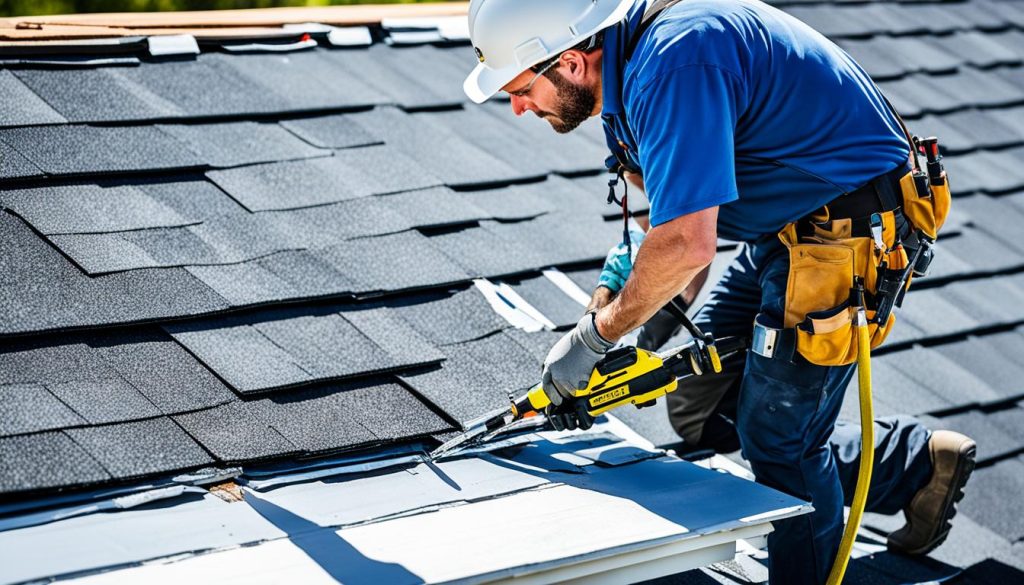
In the end, knowing when to get a pro means your roof gets fixed right. It'll keep your home safe for many years.
The Role of Professional Roof Leak Detection
Sometimes, you might fix a leaky roof yourself. But often, the problem is too big or complex. Knowing when to call a leaky roof repair service is very important.
When to Hire a Leak Detection Expert
If the leak is complicated or hard to find, get help. Professional roof leak repair experts have special skills and tools. They do more than what you can do on your own.
The Benefits of Professional Leak Assessment
Getting a pro to check your roof is a smart move. They see things you might miss. They fix the leak and any hidden issues.
Comparing DIY vs. Professional Leak Repair
Fixing leaks yourself might save money now but might not be thorough. Pros give quality work and guarantees. They offer reliability that DIY can't.
| Aspect of Service | DIY Repair | Professional Repair |
|---|---|---|
| Cost | Lower initial investment | Greater initial cost, potential long-term savings |
| Tools & Techniques | Basic, as available | Advanced, specialized for the task |
| Quality & Guarantee | Variable; no formal guarantee | Consistent and warranted |
| Longevity of Repair | Potentially short-term | Generally more durable |
| Risk Factor | Potentially high (safety, further damage) | Reduced; managed by professionals |
| Leak Detection | Could miss hidden leaks | Comprehensive, using specialized equipment |
It's key to know when to get a leaky roof repair service. They ensure your roof is fixed right. This way, your roof lasts longer and your home stays safe.
Leaking Roof Repair: Maintaining Your Home's Integrity
When you fix a leaking roof repair, you do more than handle a small problem. You help keep your home strong and safe. Your roof is very important to your house's overall structure. Good repairs keep your home valuable and secure.
Fixing roof damage repair might seem scary, but it's a wise choice for your home. If you fix leaks quickly, you can stop big and costly problems later. Not seeing a leak can lead to worse damage like mold and weak wood.
Choosing professional roof leak repair services or doing it yourself is key. Keeping a regular check on your roof helps a lot. Here's a easy to follow list for keeping your roof in good shape:
- Conduct semi-annual inspections, especially after severe weather conditions.
- Look for missing, damaged, or old shingles.
- Make sure your attic is well ventilated to stop moisture.
- Clean your gutters and downspouts to avoid water overflow.
- Cut back tree branches to lessen debris and scratches.
Fixing leaks roof leak repair quickly and regular care stops small problems from getting big. It also keeps your home looking nice. The table below shows why different roof care steps are important:
| Aspect of Roof Care | Benefits |
|---|---|
| Immediate Leak Repair | Stops more damage, cuts repair costs. |
| Regular Inspections | Finds possible issues early, makes roof last longer. |
| Cleaning Gutters and Downspouts | Prevents water damage and helps with drainage. |
| Maintaining Ventilation | Keeps moisture and temperature in check, stops mold and rot. |
| Tree Limb Maintenance | Lowers the chance of damage in storms. |
Taking good care of your roof makes a big difference. It keeps your home safe and its value up. Paying close attention to roof leak repair is key. If it's too hard, call in professional roof leak repair experts. Doing these things keeps your home a safe place and gives you peace of mind.
Essential Tools and Materials for Fixing a Leaky Roof
Being ready for a leaky roof repair is key. You need good tools and materials for fixes. It's not only about solving the problem now. It's also about making repairs last. Let's look at what you generally need.
Must-Have Tools for Home Roof Repairs
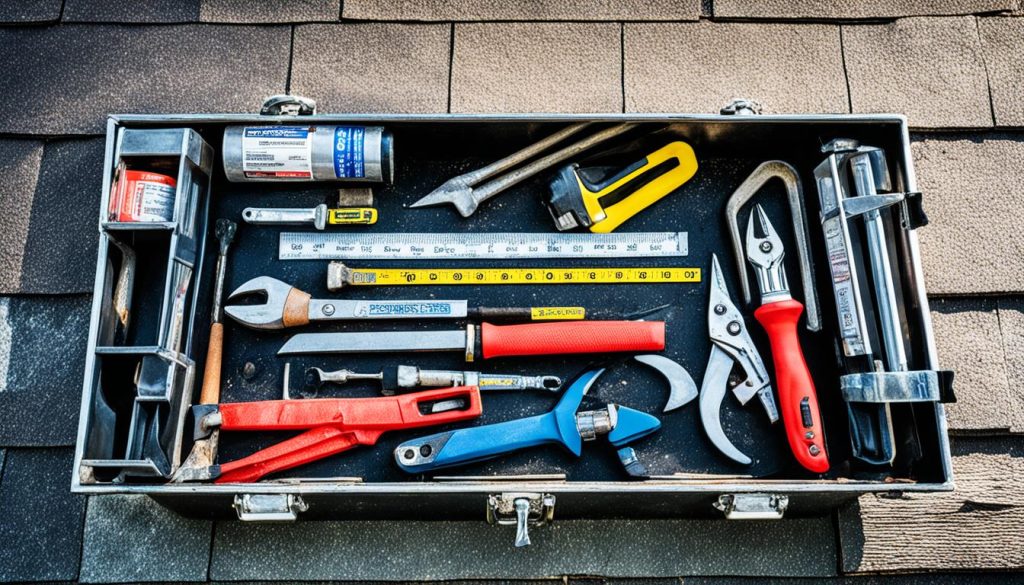
To fix a leaky roof well, start with the basics. A pry bar is a must for taking off bad shingles. Roofing nails keep new materials in place. Sometimes, you might need a tarp to cover areas while you wait to fix them fully. This makes it very important in your toolkit.
Choosing the Right Sealants and Adhesives
Choosing great sealants and adhesives is key for a good repair. For shingle roofs, use specific caulk to weatherproof your fixes. Metal roofs need a strong urethane sealant. Make sure the sealant fits your roof type. This ensures your repairs stay dry.
Roof Repair Kits: Are They Worth It?
Roof repair kits are getting popular. They offer simple and cheap ways to fix small damages. Think about the damage and your roof type to see if they're good for you.
| Roof Type | Must-Have Tools | Recommended Sealants |
|---|---|---|
| Shingle | Pry bar, Hammer, Roofing Nails | Asphalt Shingle Caulk |
| Metal | Metal Snips, Drill, Self-tapping Screws | Urethane-Based Sealant |
| Flat Roof | Seam Roller, Heat Gun | Rubberized Leak Stopper |
Choosing well means your roof repair will last. Pick the right tools and materials for your roof. This makes your repairs easier and longer-lasting. Remember, the right picks keep your home safe from weather.
Maximizing the Lifespan of Your Roof Post-Repair
After fixing a roof leak, focus on keeping it in good shape. Check your roof often for signs of damage. Acting early can prevent bigger problems later.
Choosing strong materials is vital for a lasting roof leak fix. Pick stuff that's tough and right for your area's weather. Though pricier, high-quality materials mean fewer fixes later.
Expert tip: A well-ventilated attic keeps temperatures and moisture in check. This can stop many roof problems.
- Do regular checks for early damage signs like missing or broken shingles.
- Seal weak spots to keep water out and avoid leaking roof repair issues.
- Keep the attic well-ventilated to protect the roof's structure from within.
- Keep gutters and downspouts clear to prevent water from damaging your roof.
If you find a problem during an inspection, call professional roof leak repair services. Experts can make repairs last longer, often with a warranty for peace of mind.
Homeowners should aim for a lasting residential roof leak repair. By following these tips, you protect your home from leaks. You also boost its value and structure.
How to Prevent Future Roof Leaks
Making sure your roof does not leak saves you trouble and money later. Checking your roof often helps find small issues before they grow. Keep it well-maintained to fight off weather damage. Choose the best materials for your roof and use weatherproof tricks to keep leaks away.
Regular Inspection and Maintenance Tips
Each season, take the chance to look at your roof. In fall and spring, inspect shingles, flashing, and seals closely. Here are things to do:
- Clean gutters to stop water from pooling and hurting your roof.
- Cut back big branches that could damage your roof or let pests in.
- Make sure seals around vents and chimneys are strong to keep out water.
Following these steps will help keep your roof in top shape, like a pro.
Upgrading Roof Materials for Better Durability
Choosing strong materials for your roof is important. Use materials that can handle bad weather. Metal roofs are tough and need less care than asphalt shingles. A good underlayment also helps protect against leaks.
By picking better materials for repairs, you help your roof last longer.
Weatherproofing Strategies for Leak Prevention
Good weatherproofing is key to stop roof leaks. Insulate your attic well and make sure it's aired out. Add leak barriers in places that get leaks often. Doing these things helps keep your roof safe:
- Put on a water-repellent coating to help your roof deal with rain better.
- Make sure your attic breathes to stop mold and mildew from growing.
- Use flashing and leak barriers where the roof meets walls or has valleys.
Finding leaks is hard, but a well-kept, weatherproofed roof gives you an advantage.
Keeping your home leak-free means being thorough and smart with maintenance. Take care of it, pick the strongest materials, and use good weatherproofing. This saves you bigger fixes later on.
Conclusion
Making sure your roof can handle the weather is very important. If you find a leak, you need to take action. Some people want to fix leaks by themselves. But, it's often better to get help from pros. Experts know how to fix leaks so they last.
When dealing with a leaky roof, it's important to keep on top of it. Catching issues early means simpler and cheaper fixes. If the problem gets too big, it's smart to call in the experts. This makes sure the fix is done right and protects your home in the future.
Stopping leaks helps keep your home safe and sound. By paying attention, doing regular check-ups, and knowing when to get help, you protect your home. This saves you from big repair bills later. Take care of your roof now. It keeps your home safe from bad weather for many years.
FAQ
How can I tell if my roof is leaking?
Check for water stains on your ceiling and musty smells. Look for damp insulation in your attic. After rain, inspect your roof for damage.
What are the risks of ignoring a roof leak?
Not fixing a leak can cause mold and damage your home. Fix leaks fast to avoid big repairs later.
Should I opt for a short-term fix or long-term damage repair for my leaking roof?
Short-term fixes can help right away. But, it's key to plan long-term repairs to keep your home safe.
What emergency measures can I take for a leaking roof?
Use a tarp to stop more water from coming in. For small leaks, temporary use roofing cement or caulk. Then, get a proper fix done.
What repair techniques should be used for different types of roofs?
Repair depends on your roof type. For shingle roofs, replace damaged shingles. Metal roofs might need new patches sealed well.
How do I find the source of the leak in my roof?
Start by checking areas where things go through your roof. Look at any visible damage. You may need to use water tests or remove materials to find the leak.
What are some best practices for repairing a leak in my residential roof?
Find leaks quickly and use the right materials. Fix your roof in good weather. Always put safety first.
When should I hire a professional for roof leak detection?
If the leak is big, hard to find, or fix, get a professional. They know how to find and fix leaks well.
What are the advantages of professional leak assessment over DIY?
Experts can fully check your roof, find hidden issues, and guarantee their work. This might save you money over time.
What tools and materials do I need for a quick roof leak fix?
You'll need a pry bar, roofing nails, caulk, and the right sealants. A tarp, strong glues, and a repair kit are useful too.
How can I prevent future leaks in my roof?
Inspect your roof often. Keep gutters and seals in good shape. Cut back trees near your house. Use strong materials for your roof.
What is essential to extend the life of my roof after repairing a leak?
Do regular checks and fix any weak spots quickly. Make sure your attic ventilates well. Use materials that suit your roof and weather.
What weatherproofing strategies are effective in preventing roof leaks?
Keep your attic well insulated and aired. Use leak barriers where needed. Choose materials that last in rough weather for your roof care.